Air conditioner maintenance: everything you need to know
Learn which essential air conditioner maintenance tasks you can do yourself and when it's time to call professionals for servicing.
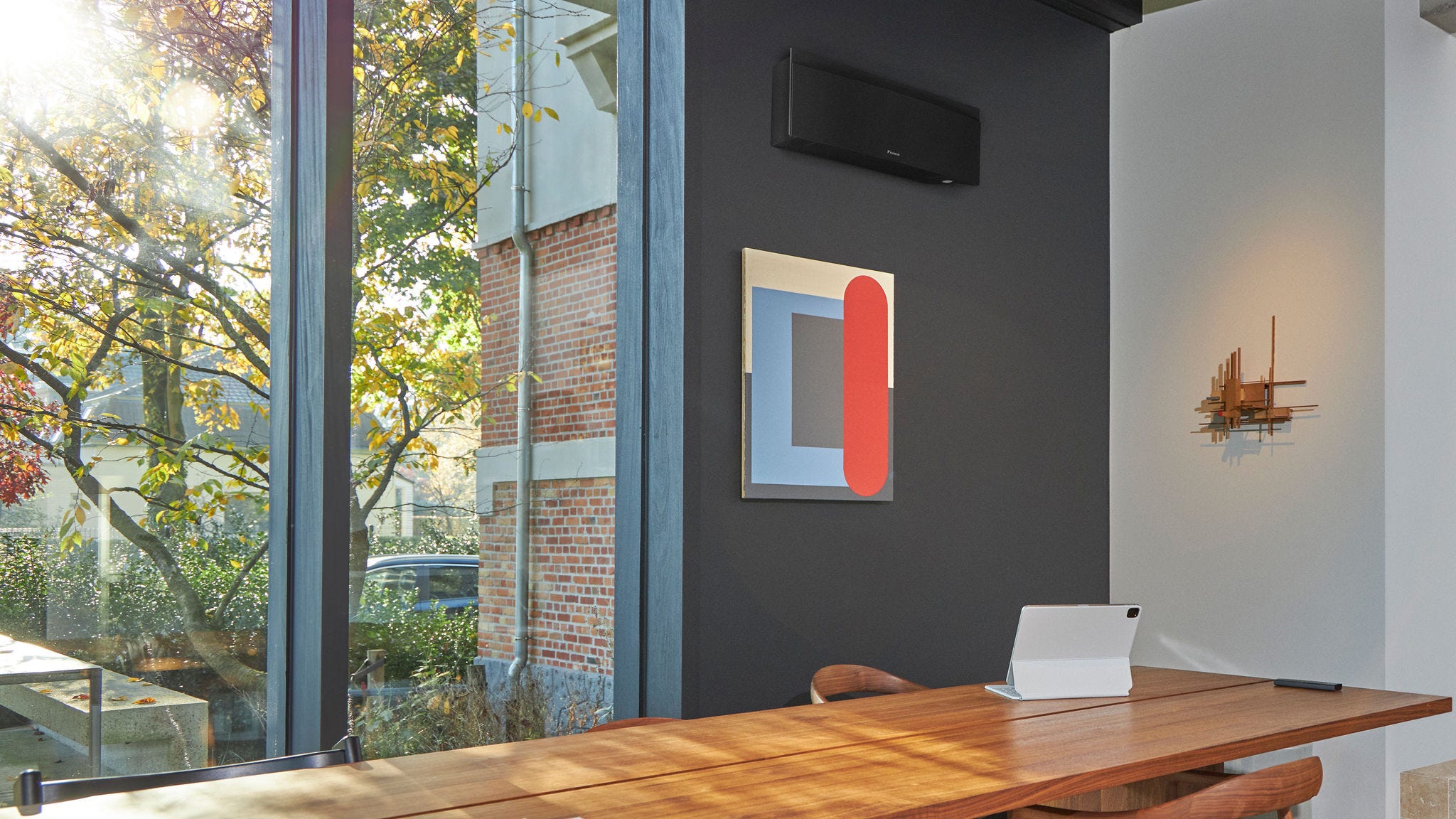
Regular maintenance of your air conditioner (air-to-air heat pump) helps reduce energy bills, improve indoor air quality and prevent unexpected breakdowns. In this guide, you’ll learn which maintenance tasks you can safely do yourself, how often servicing is needed, typical costs, and the warning signs that mean it’s time to call an expert.
Why air conditioner maintenance matters
Air conditioners, also known as air-to-air heat pumps, work hard to keep your home comfortable all year round. They keep your space cool in the summer and warm it efficiently the rest of the time. Regular maintenance saves you from costly repairs in the long run by catching small problems before they turn into breakdowns.
A well-serviced system will require less electricity, so you pay lower energy bills and minimise your environmental impact. Regular maintenance improves indoor air quality by reducing dust, allergens and other irritants that can affect respiratory health. It also helps your system last longer and run more efficiently.
What maintenance can you do yourself?
If you own an air-to-air heat pump, the primary maintenance job you can perform safely is to clean or replace the filter. These filters capture dust, pollen and other particles that float around your home. Dirty or blocked filters reduce airflow, causing your system to work harder and use more energy.
You can also keep the area of both indoor and outdoor units free of obstructions. Clear any furniture, curtains or objects that may block airflow from vents. For outdoor systems, remove leaves, debris and vegetation that can impede airflow.
Tip: Look out for strange noises, diminished heating or cooling capabilities and water leaks or smells. Such observations can help to identify when professional attention is warranted. Never open up sealed components, handle refrigerants or do any electrical work yourself.
How to clean your AC filters
Cleaning your filters usually takes no more than 15 minutes. The filters in most Daikin units are conveniently located behind the front panel of the indoor unit.
- Turn off the unit: Power down your AC using the wireless remote controller. Never service or clean the filters while the unit is operating.
- Open the front panel: Carefully open the indoor unit’s front panel according to the instructions in your user manual.
- Remove the filters: Locate the tab at the center of each filter, gently push it, and pull the filters downward to detach them.
- Clean the filters: Dust with a soft cloth, or vacuum using low suction, or rinse under lukewarm running water. When rinsing, blow water in the inward direction to clean debris from the upper gap. For stubborn dirt, soak the filters in tepid water with mild neutral detergent for 10 - 15 minutes.
- Dry the filters completely: After washing, shake off excess water and leave the filters to dry in the shade. Never reinstall wet filters, as this can cause mould growth.
- Reinstall the filters: Once completely dry, place the filters back into position and securely close the front panel.
- Repeat regularly: Clean your filters every two weeks during heavy use. If you have pets, smokers, or allergy concerns in the home, you may need to clean them more frequently.
How often should you service your AC?
Professional servicing should be scheduled at least once a year. It’s best to service your system in spring before it gets hot, or in autumn before it gets cold. Annual maintenance keeps your air-to-air heat pump running safely and at peak performance when you need it most.
In some cases professional help may need to be more frequent. For example, systems that operate in dusty or coastal environments may require more checks.
What happens during professional air conditioner servicing?
A certified technician carries out a thorough inspection to ensure your air conditioner (air-to-air heat pump) runs safely, efficiently and reliably. This goes far beyond simple filter cleaning.
A professional service typically includes:
System diagnostics and performance checks
- Full system diagnosis to assess overall performance
- Airflow testing to ensure proper circulation
- Verification of thermostat operation and system controls
- Calibration of temperature sensors if needed
Safety and electrical inspection
- Inspection and tightening of all electrical connections
- Check of key electrical components for wear or faults
Refrigerant and cooling system checks
- Measurement and adjustment of refrigerant levels
- Inspection of refrigerant lines and insulation
- Inspection of indoor and outdoor coils for dirt or damage
Airflow and mechanical components
- Inspection of the outdoor fan motor and blades
- Straightening of bent coil fins that restrict airflow
- Confirmation of sufficient airflow around the outdoor unit
Drainage and structural checks
- Cleaning and inspection of condensate drains to prevent blockages
- Inspection of mounting brackets and unit stability
Preventive maintenance
- Tightening of loose components to optimise performance
- Identification of worn or damaged parts before failure occurs
This comprehensive service helps your system run more efficiently, reduces the risk of breakdowns and extends the lifespan of your air conditioner.
What is the average cost of an AC service?
The cost of an AC service varies based on where you live, the size and complexity of the system and what is covered in the service package but is typically between R400 and R750 per unit.
Think of servicing as an investment, not a cost. Industry standard comprehensive maintenance is usually significantly less expensive than those emergency repairs and can also help prevent problems that could end up requiring a whole system replacement.
With the Daikin Cloud Service (DCS), you get remote diagnostics and predictive maintenance alerts.
Safety considerations during maintenance
When doing any kind of maintenance, safety is first and foremost. Before cleaning filters or servicing your unit, turn the system off with the wireless remote control and shut off power at the circuit breaker.
Do not touch the heat exchanger fans inside the unit - they are made of very sharp, thin metal. When access to the indoor unit is needed, use a sturdy stepladder and be careful when you have to work at height.
Do not try to service refrigerants yourself. Refrigerant circuit maintenance should only be conducted by qualified service personnel.
Should you encounter anything abnormal while carrying out maintenance, such as exposed wiring, unusual odours or evidence of the escape of refrigerant, stop immediately and call a professional.


Signs your air conditioner needs professional attention
There are several warning signs that your air-to-air heat pump may need professional attention beyond routine scheduled maintenance. Catching these issues early can help prevent minor concerns from turning into major repairs.
- Uneven temperatures from room to room, which may indicate airflow restrictions or refrigerant issues
- Unusual noises such as grinding, rattling, or hissing that suggest mechanical problems
- Unpleasant odours, especially mildew or burning smells, that should be addressed immediately
- Water dripping around the indoor unit, often caused by a clogged condensate drain
- Ice buildup on the indoor unit during cooling mode or on the outdoor unit during heating mode, which requires professional diagnosis
- An unexplained increase in energy bills without changes in usage, indicating reduced efficiency
- Heating or cooling that remains inadequate even after cleaning the filters
If you notice any of these symptoms, it’s best to have a qualified technician inspect your system to prevent further damage and restore optimal performance.
Maintenance for various types of units
Maintenance requirements can vary depending on the type of system (single-split, multi-split or ducted). For homes that have more than one indoor unit, each of them will need to be serviced.
Always refer to your operation manual to stay up-to-date on maintenance needs.
Smart technology for easier maintenance
In some modern air-to-air heat pumps, intelligent data logging systems help to manage and maintain the unit.
Daikin Cloud Service (DCS) provides monitoring via a smartphone app of the operation conditions for your heat pump. It alerts you when its filter is dirty, monitors energy use and gives you a heads-up about other issues before they interfere with performance.
Self-diagnostic features facilitate troubleshooting and maintenance: the system alerts you as soon as there’s a problem, rather than waiting for performance to be affected.
Conclusion
Maintaining an air conditioner or air-to-air heat pump is a combination of simple tasks you can do yourself and more complex actions that you trust to the professionals. Regular maintenance requires little time or cost, and takes only a small amount of time, but it can save you money on your energy bill, spare you from repairs or replacement (it isn’t uncommon for well-maintained equipment to last twice as long as neglected machinery) and can eliminate damage. Along with an annual service, these measures will ensure your system is working perfectly so you can enjoy year-round comfort, with lower energy bills.
Key takeaways
- Regular maintenance saves money and extends lifespan: a well-maintained air conditioner uses less electricity, lowers energy bills, improves indoor air quality, and can last up to twice as long as a neglected system.
- Filter cleaning is the most important task you can undertake yourself: homeowners should clean or replace air filters every two weeks during heavy use. Dirty filters restrict airflow, increase energy consumption, and reduce heating and cooling performance.
- Annual professional servicing is essential: a certified technician should inspect refrigerant levels, electrical components, airflow, coils, and controls at least once a year to prevent breakdowns and maintain efficiency.
- Early warning signs should never be ignored: uneven temperatures, unusual noises, bad smells, leaks, icing, or rising energy bills signal the need for professional attention before small issues become costly repairs.
Ready to keep your air conditioner running at its best?