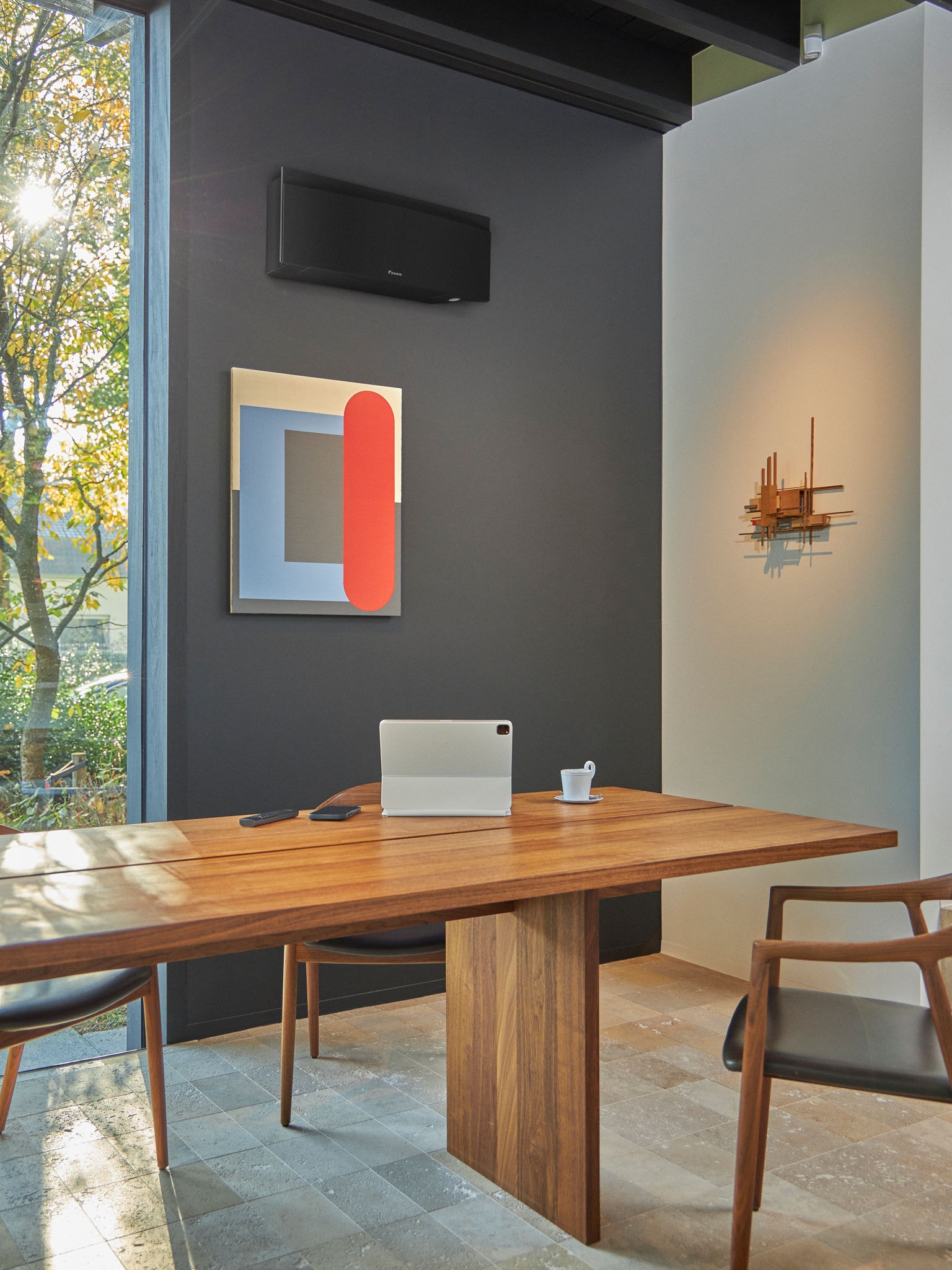
Is it time to replace your home air conditioner?
Learn the warning signs of an ageing air conditioner, compare repair vs replacement costs, and choose an energy-efficient replacement for your home
If your air conditioner is struggling to keep your home comfortable, running constantly or becoming expensive to repair, replacing it may save you money in the long run. Most systems last 10–15 years before efficiency and reliability start to decline. In this guide, you’ll learn when to replace your air conditioner, how replacement costs compare to ongoing repairs, and what to consider when choosing a modern, energy-efficient system.
How long should an air conditioner last?
Most residential air conditioning systems — also known as air-to-air heat pumps because they provide both cooling and heating — typically last 10-15 years, depending on how well they were installed and maintained. After this period, efficiency and reliability usually begin to decline.
A steady increase in energy bills without major changes in usage or weather conditions can be a sign that your air conditioning system is aging and losing efficiency. Over time, components such as motors and compressors can wear down, forcing the unit to work harder to deliver the same level of comfort. Issues like refrigerant leaks may also develop, leading to higher energy consumption and reduced performance. To determine your unit's age, look for a manufacture or serial number on the nameplate on the indoor or outdoor unit. Many systems display the manufacturing year or include a serial number with a date code. If in doubt, a professional HVAC technician help identify the age of the unit.
Several factors influence how long an air conditioner lasts, including:
- regular maintenance and annual servicing
- how intensively the system is used
- the quality of the original installation
Poor installation can significantly shorten lifespan, while a properly sized and professionally installed system will usually perform more efficiently and reliably over time.
High-quality, well-built units are designed to perform reliably for years, with ongoing refinements helping each generation run more efficiently and comfortably.
Typical signs your air conditioner is about to fail
When an air conditioner stops working efficiently, it rarely does so without warning. One of the most obvious signs is warm air blowing from the vents, when the system is running in cooling mode. This may suggest a failing compressor, or other internal failure.
Another red flag is inconsistent performance across rooms. If some rooms are cool while others remain warm, the unit may be struggling to meet its load demand, or it was never properly sized for your home in the first place.
Strange sounds or odours also tell a story. Rattling, grinding, or buzzing noises could come from failing motors, while musty or burning smells may point to mould buildup or electrical problems.
Turning on and off rapidly is another common symptom. This short-cycling behaviour stresses the system and sharply increases wear and tear. You may also notice a spike in energy bills for no apparent reason. If everything else in the house remains the same but cooling or heating costs climb, your air conditioner or air-to-air heat pump is probably working harder than it should. This could also be caused by dust build-up on the indoor unit or leaves/dirt around the outdoor unit.
The true cost of an ageing system: rising repairs and energy bills
Repairing an ageing system can feel cheaper in the short term, but costs accumulate quickly. Minor fixes may only be a few hundred Rands, while major repairs, such as replacing a compressor, can be thousands. If you’ve needed multiple callouts in recent years, those expenses add up fast, making replacement a more financially sound option over time.
At the same time, older air conditioning systems become less efficient as components wear out. Issues like refrigerant leaks and overworked motors increase energy consumption, often showing up as steadily rising energy bills despite no change in usage.
Performance ratings such as SEER (cooling efficiency) and SCOP (heating efficiency) also tend to decline with age, meaning the system needs more electricity to deliver the same level of comfort.
Beyond direct costs, inefficiency can also affect indoor comfort. Poor airflow and humidity control may lead to increased reliance on dehumidifiers or additional cooling methods, further driving up overall expenses.
Should you repair or replace?
Deciding whether to repair or replace your air conditioner is usually a balance between cost, reliability and long-term value. One repair does not automatically mean replacement, but repeated breakdowns and rising repair costs are often signs that your system is reaching the end of its lifespan.
Start by looking at:
- the age of the system
- how often it needs repairs
- whether energy bills are increasing
- how much you have already spent on maintenance in recent years
As a general rule, if repair costs start approaching half the price of a new system, replacement often becomes the more financially sensible option.
There is also a comfort and reliability factor to consider. Many homeowners hold onto a system because it has “always worked”, but older units can become less dependable over time. A modern air conditioner or air-to-air heat pump can provide lower energy bills, quieter operation, better comfort control and fewer unexpected breakdowns.
If you are unsure, it can help to create a simple comparison:
- Repair now → if the issue is isolated and the system is relatively new
- Monitor closely → if performance is declining but costs remain manageable
- Replace this season → if repairs are frequent, efficiency is poor, or comfort is inconsistent
A trusted installer can assess your current system and help you determine which option makes the most financial and practical sense for your home.
What are the benefits of replacing your air conditioner?
Switching to a new air conditioner or air-to-air heat pump can bring several long-term benefits for comfort, efficiency and running costs.
First, improved energy efficiency. Modern units often have higher SEER ratings for cooling and higher SCOP ratings for heating, meaning they use significantly less electricity to deliver the same or better performance. That translates to lower monthly bills.
Second, better indoor air quality. New units typically include advanced filtration systems or compatible smart filters, which can reduce dust, allergens, and other small harmful particles more effectively than older systems.
Third, quieter operation and smarter integration. Contemporary systems often feature variable-speed compressors and fan motors, so they run more quietly. Many are also compatible with applications available via your phone or tablet, such as the Daikin Onecta, allowing more precise and efficient control.
Fourth, greater reliability and peace of mind. A new system usually comes with a fresh manufacturer warranty. That means fewer worries about parts failing or expensive service calls in the first few years after installation.
Finally, lower long-term ownership costs. Over the lifespan of the system, a modern air conditioner or air-to-air heat pump can help reduce both energy consumption and repair expenses, making replacement a worthwhile long-term investment for many households.
How much does it cost to replace an air conditioner?
Replacing an air conditioner is not cheap, but understanding the different cost factors makes it easier to plan and budget confidently. In most cases, replacing a residential air conditioner or air-to-air heat pump costs between R10 000 and R 33 500 or more, depending on the type of system, home layout and installation complexity.
Typical replacement costs include:
- The new indoor and outdoor units
- Installation labour
- Permit or inspection fees (where required)
- Possible ductwork or pipework adjustments if the new system differs from the existing setup
Additional costs may include a thermostat upgrade, disposal or recycling of the old unit, and any electrical modifications. In some cases, acoustic housing, a sound-reducing enclosure for the outdoor unit, may be added.
While upfront costs can seem high, newer systems are typically far more energy efficient than ageing units. Lower energy consumption, fewer breakdowns and reduced repair costs can help offset the investment over time.
Understanding these costs early helps avoid surprises and makes it easier to compare repair-versus-replacement scenarios realistically.
Replacing an air conditioner with Daikin
If you're replacing an older air conditioner, it may be worth considering a modern Daikin Air Conditioner. Today’s air conditioners are heat pumps, meaning they provide both cooling in summer and heating in winter, offering year-round comfort from a single system.
While investing in a new air-to-air heat pump can represent a significant upfront cost, modern systems are designed to deliver higher energy efficiency, lower running costs and improved comfort over the long term.
Many newer heat pumps also include advanced features such as variable-speed compressors, inverter technology, and smart control, which further reduce energy bills through smarter usage, allowing you to schedule and optimise operations. These technologies help optimise performance, maintain more stable indoor temperatures and reduce unnecessary energy consumption. Modern systems are also engineered for quieter operation, improving comfort both indoors and outdoors.
From a sustainability perspective, heat pumps can also help reduce carbon emissions. Because they run on electricity rather than fossil fuels, they can support lower-impact heating and cooling, particularly when paired with renewable electricity sources.
How to choose the right replacement air conditioner
When selecting your new air conditioner or air-to-air heat pump, higher SEER and SCOP ratings mean better efficiency and lower running costs over time.
There's a wide range, from budget units to premium systems with variable-speed compressors, corrosion-resistant coils, and extended warranties. Which one is right for you depends on your priorities: cost, lifetime efficiency, noise, and brand reputation.
Smart features can also make a difference. Look for Wi-Fi connectivity and app control. These features enable you to maximise your control and comfort from your own device.
Finally, don't forget warranty and after-sales support. Check the length of the parts and labour warranty, and whether the installer is certified by the manufacturer. This affects your long-term cost and peace of mind.
Why correct sizing matters
One of the most common installation issues is choosing a system that is the wrong size for the home. Choosing the right size air conditioner or air-to-air heat pump is essential for comfort, efficiency and long-term reliability.
If an air conditioner or air-to-air heat pump is too large, it may switch on and off too frequently — known as short-cycling — which reduces efficiency and increases wear on components. If it's too small, it may run continuously without fully reaching the desired temperature, increasing energy consumption and reducing comfort.
A professional installer will calculate the correct system capacity for your home based on factors such as insulation, room layout and climate, helping your new system perform efficiently for years to come.
What to expect during installation
Installing an air-to-air heat pump (also known as air conditioner) is a specialist process. It should be carried out by a professional who can advise you on suitability and specification and install quality units with the minimum of disruption for maximum effectiveness.
Before starting, your installer will inspect your home to check if it's suitable for an air-to-air heat pump. They should recommend what type of system and what size of heat pump you need. They will advise where to position the outdoor unit and discuss with you what kind of indoor units to install before carrying out the installation process.
After installation, most contractors will run a final walkthrough with you. They'll explain how to operate your new system, go over maintenance needs, and answer any questions, so you're not left guessing once the install crew leaves.
Ongoing maintenance for your new air conditioner
Once your new air conditioner is installed, regular maintenance determines how long it stays efficient and reliable. Schedule annual tune-ups, ideally before the start of a peak period, to clean coils, check refrigerant levels, inspect electrical components, and verify airflow.
You should also clean or replace filters regularly, typically every one to three months depending on filter type, usage, and whether you have pets or allergies. Many systems also include a filter change alert on the unit to let you know when it is time for maintenance. For more details, we always recommend you to check the operation manuals.
If available, consider a maintenance plan through your installer or HVAC provider.
It’s also important to monitor how the system performs over time. Keep an eye on your energy bills, listen for changes in sound, and watch for fluctuating comfort. Early detection of issues can prevent bigger problems and costs down the road.
When to contact an installer
If you notice persistent warning signs or declining performance, that's a signal to call a professional.
Before reaching out, gather key information: the age of your current unit, its repair history, recent energy bills, and a list of symptoms such as noise, smell, or inconsistency. Providing this information helps installers diagnose issues more quickly and recommend the most appropriate solution.
Conclusion: when should you replace your air conditioner?
Air conditioners or air-to-air heat pumps are long-term investments, but they do not last forever. As systems age, efficiency and reliability gradually decline, while repair and energy costs often increase. If your system is frequently breaking down, struggling to maintain comfort or becoming expensive to run, it may be time to consider replacement rather than continued repairs.
Modern air conditioning systems or air-to-air heat pumps offer clear advantages: improved efficiency, quieter operation, lower energy bills, and reduced environmental impact, all backed by reliable warranties. By making a proactive decision rather than reacting to a sudden breakdown, you can secure long-term comfort, avoid costly surprises, and ensure your system performs reliably for years to come.
Key takeaways
- Air conditioners typically last 10 to 15 years, after which efficiency and reliability usually begin to decline.
- If repair costs start approaching the cost of a replacement, investing in a new system is usually the smarter financial choice.
- Correct sizing and professional installation are essential for efficiency, comfort, and longevity.
Regular maintenance, including annual installer visits and filter changes can improve the system lifespan and protect your investment.
Ready to replace your ageing air conditioner with a more efficient solution?