Choosing the right air conditioner size for your home
Why choosing the correct size of air conditioner matters for comfort and efficiency
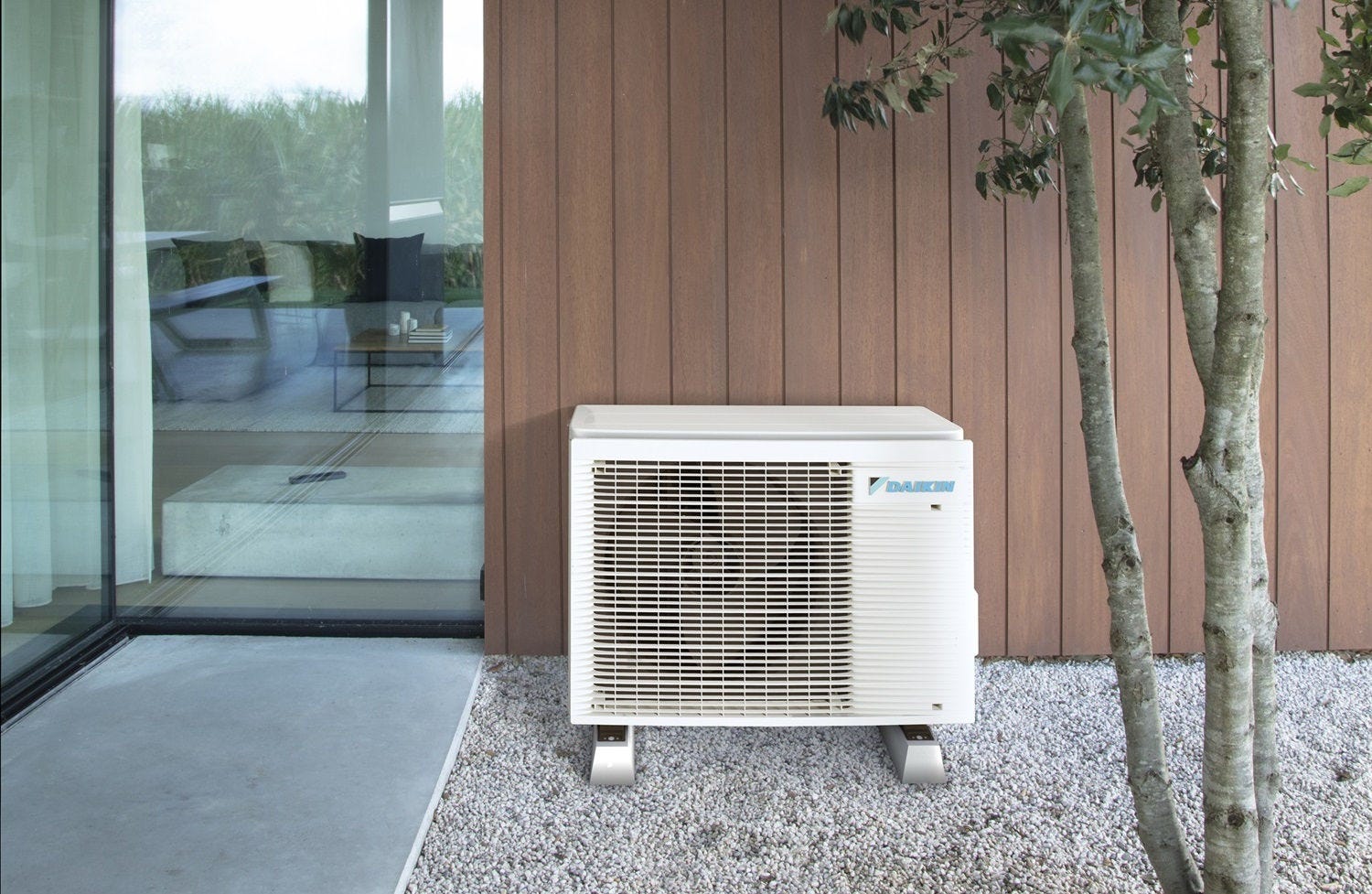
The size of your air conditioner determines how comfortable your home feels, how efficiently it uses energy and how much it costs to run. A unit that's too small won't meet demand, while an oversized system wastes energy and shortens its lifespan. Matching the capacity of the air conditioner with your requirements and the room's dimensions results in optimum efficiency along with reduced energy bills and carbon emissions. In this article, you'll learn how to determine the right size, understand key factors like heat loss and system type and use practical tools to choose a air conditioner that delivers reliable, year-round comfort.
Why is sizing crucial?
The size of a heat pump is measured in kilowatts (kW), which indicates its heating capacity, essentially how much heat it can produce per hour. Correct sizing is crucial because a pump’s capacity must match the heating demand of the property, proper sizing also ensures the system works with maximum efficiency, reducing energy bills and carbon emissions over the system’s lifespan.
Consequences of incorrect air conditioner sizing
An undersized heat pump struggles to meet demand during cold spells, leading to high running costs as it operates constantly at full power and still fails to maintain comfortable indoor temperatures.
An oversized heat pump cycles on and off too often, which wears out components prematurely, is inefficient, reduces the system’s ability to dehumidify and can cause noise issues. Additionally, bigger units have higher upfront costs, increasing the financial burden without proportional benefit.
Accurate sizing ensures a balance that delivers reliable warmth and energy efficiency, improving system longevity and household comfort.
Which factors influence air conditioner sizing?
Here are the factors that affect the size of a home heat pump:
- Age and insulation quality of the property: older buildings with poor insulation require greater heating capacity.
- The total size and layout of the home: larger homes typically need bigger systems or multiple units to ensure even heating.
- The number of occupants and how much hot water they will need.
- Location: homes in colder regions or with more extreme weather require pumps with a higher capacity to keep you cosy.
- Room orientation and window placement: these can both cause heat loss and affect your sizing needs.
Why is outdoor temperature important when sizing an air conditioner?
Understanding the role of temperature
Air conditioners extract heat from the outside air, which makes ambient temperature a key factor in sizing. As outdoor temperatures drop, their efficiency decreases, so the system must be capable of meeting heating demand during the coldest days without driving up energy consumption. Seasonal changes also mean the heat pump works hardest in winter, requiring reliable performance in cold and frosty conditions.
Why accurate sizing matters
Sizing should account for reduced efficiency in extreme cold, often by slightly oversizing to maintain comfort throughout the year. Careful, accurate sizing is therefore essential to ensure efficient and dependable performance year-round.
The role of heat loss calculation
What is a heat loss calculation?
A heat loss calculation measures how much heat a building loses through walls, windows, floors, and ceilings, which directly informs the heating capacity needed.
Why is a heat loss calculation important?
It identifies the total heat demand, ensuring the heat pump is sized to replace this lost heat effectively.
Professionals calculate this by considering insulation levels, window types, air leakage, and external temperatures. Precise data such as property dimensions and material properties are critical. Estimates can lead to errors in sizing.
What size of heat pump do I need?
The right heat pump size depends mainly on your home’s size and insulation, but most residential properties need between 4 kW and 16 kW.
Choosing a larger unit than necessary is a common mistake. Oversized heat pumps waste energy, cost more to run, and can shorten system lifespan. The aim is to match the heat pump’s capacity to the property’s calculated heat load so it meets peak demand efficiently, without excess output.
Property size | Typical air conditioner size |
Up to ~80 m² | 4–6 kW |
80–120 m² | 6–8 kW |
120–180 m² | 8–12 kW |
180–250 m² | 12–16 kW |
Find the right air conditioner for your home
Speaking to a certified Daikin installer allows you to get expert advice on what the best setup would be for your home or office climate needs. Whether it would be a multi split system, VRV installation or a simple mid-wall split air conditioner.


Importance of accurate room-by-room sizing
Sizing heat pumps room-by-room is essential for homes using zoning or radiator systems, as different rooms often have varying heating requirements. For example, larger living spaces or rooms with many windows might need more heat compared to smaller or well-insulated bedrooms. Accurate room-level sizing ensures balanced warmth throughout the home and prevents overheating or cold spots.
What is the difference between single-zone and multi-zone heat pump systems?
Heat pump systems can be designed for single temperature zones or multiple zones, affecting sizing strategies. Single-zone systems maintain one consistent temperature throughout the home, simplifying sizing but sometimes sacrificing individual room comfort control.
Multi-zone systems divide the home into different heating zones, each with its thermostat, allowing tailored temperature settings that improve comfort and efficiency. However, multi-zone systems may require varied pump performance or multiple pumps to handle different loads simultaneously. Zoning improves energy savings by heating only occupied areas but adds complexity to heat pump selection and design.
How can a heat pump be sized to meet future needs?
Future-proofing heat pump sizing involves anticipating changes like home extensions, or a growing family. Some manufacturers offer modular or scalable heat pump units that can adapt to evolving heating needs, allowing homeowners to add capacity without full replacement. Considering future-proofing at the design stage helps avoid disruptions and capital expenditure in the long term.
How do you read performance data for heat pumps?
Understanding heat pump performance data is essential when selecting the right size and model.
Key metrics include Seasonal Coefficient of Performance (SCOP), and the flow temperature range. SCOP reflects an average performance over an entire heating season, offering a realistic estimate of annual energy savings.
Real-world seasonal performance can vary, so selecting a heat pump with strong average efficiency is key to cost savings and sustainability.
System components that affect sizing
The size of a heat pump must be compatible with system components:
- Air-to-air indoor units.
- Thermostats optimise heat delivery and prevent energy waste by adjusting output based on occupancy and room temperature.
- Pipe size and flow rates influence how heat is distributed, impacting pump performance.
Efficiency tips that reduce required pump size
Improving home energy efficiency can reduce the size—and cost—of the heat pump needed, so bear in mind:
- Enhancing insulation by upgrading windows to double or triple glazing, and improving airtightness reduce heat loss, meaning the heat pump doesn’t have to work as hard.
- Installing smart thermostats and heating controls optimises temperature settings and reduces waste, further lowering demand.
- Lowering flow temperatures in the heating system improves the heat pump’s SCOP, as the unit operates more efficiently at moderate temperatures.
How does heat pump sizing differ between new build and retrofit homes?
Newly built homes often feature high levels of insulation and airtightness, resulting in predictable and lower heat demand. This allows for smaller, more precisely sized heat pumps that operate efficiently without oversizing.
In contrast, retrofit homes tend to have more variable insulation levels, older windows, and existing heating systems that may be less efficient, often requiring larger air conditioning systems to compensate for heat loss. Retrofitting also poses challenges like integrating the new system with existing pipework and emitters. Accurate site surveys and heat loss assessments are crucial here to ensure correct sizing.
Why is it important to monitor and adjust an air conditioner after installation?
Post-installation monitoring is crucial to ensure the heat pump operates efficiently and meets the household’s changing needs. Smart meters and system feedback tools enable homeowners and installers to track energy consumption, temperatures, and system responsiveness in real time. This data helps identify opportunities to fine-tune controls, adjust flow rates, or rebalance zones for optimal comfort and savings.
Regular reassessment is particularly important after lifestyle changes such as a growing family or renovations. Ongoing monitoring extends the lifespan of the system, reduces running costs, and ensures the heat pump continues to perform at peak efficiency well beyond installation.
Choosing the right heat pump size: final considerations
Choosing the right heat pump size is fundamental for energy-efficient, comfortable, and sustainable home heating. An undersized system struggles during cold periods, wasting energy, while an oversized system cycles too often, so it reduces efficiency and shortening its lifespan. By carefully considering property characteristics, heating and cooling demand, climate, and future changes, homeowners can ensure their heat pump system delivers reliable performance and cost savings for years. The right size truly sets the foundation for a greener, warmer home.
Key takeaways
Incorrect sizing leads to inefficiency: an undersized heat pump struggles to maintain comfort, while an oversized system short-cycles and wears out faster.
Improving insulation, lowering flow temperatures and using smart controls can significantly reduce the size of heat pump you need.
Ongoing monitoring and adjustment after installation helps maintain peak efficiency and long-term performance.
Sizing is the foundation of heat pump performance
Ready to estimate the right size for your home?