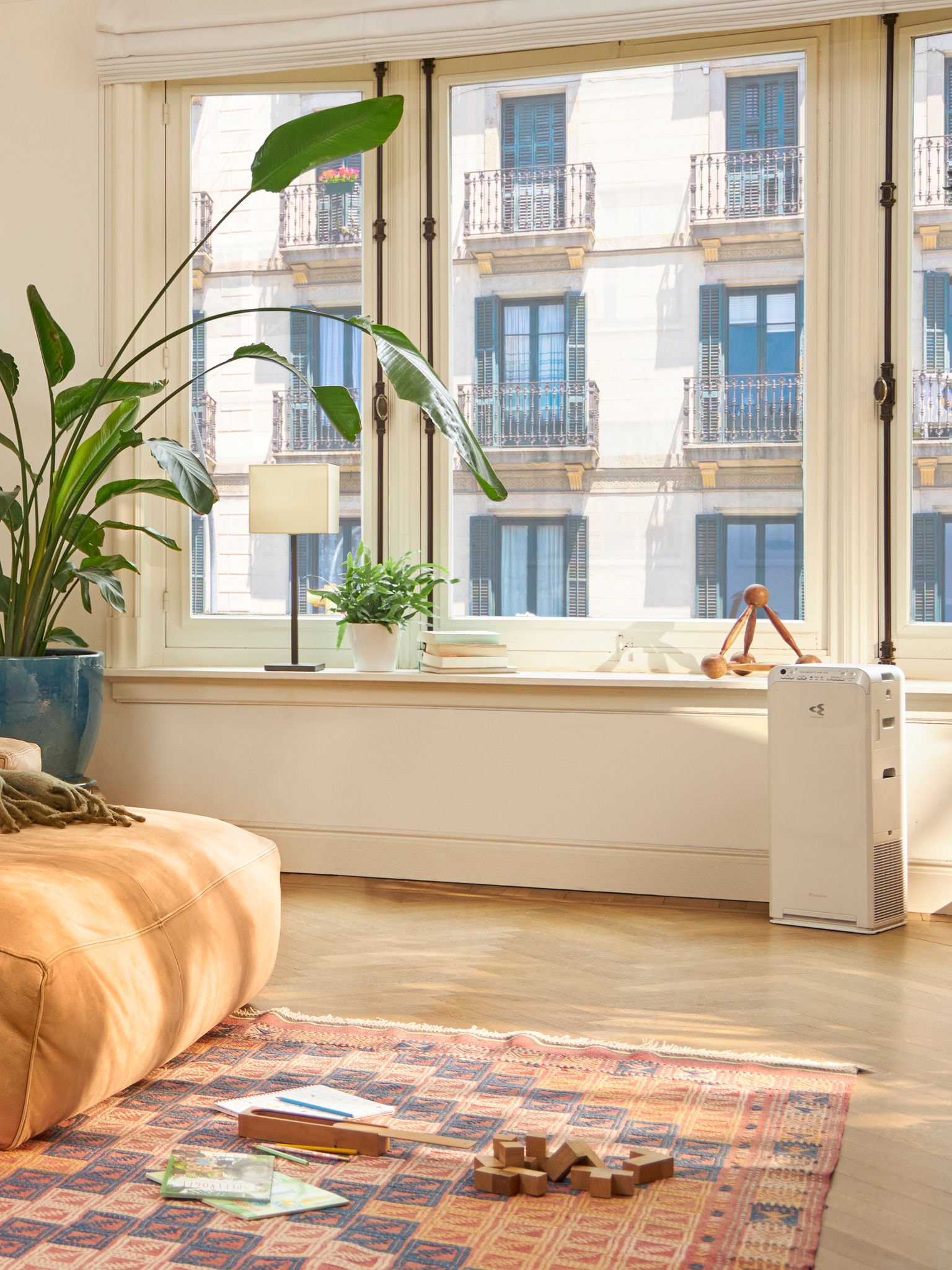
Indoor air pollution: the invisible threat to your health and how to reduce it
How to identify hidden indoor pollutants and take practical steps to improve your home’s air quality

Indoor air pollution is an often-overlooked issue, yet this invisible health hazard affects millions of homes. Poor indoor air quality can come from everyday activities such as cooking, cleaning, heating and ventilation.
The good news is that once you understand the sources and warning signs, you can take practical steps to reduce exposure and create a healthier indoor environment. In this guide, you’ll learn how to identify risks and improve the air you breathe at home.
Indoor air pollution: the hidden danger in your home
Air pollution is often thought of as an outdoor issue with visible toxins spewing from chimneys, exhaust pipes or factories. The reality, though, is that many of us spend up to 90% of our time indoors, whether it’s homes, offices or schools. Vulnerable groups including the elderly, children and individuals with health conditions may spend nearly all their time indoors. This means indoor sources of pollution can dominate our actual exposure.
The May 2025 study in Atmospheric Pollution Research found that South African households — especially rural ones using solid fuels — experience indoor PM2.5 levels that often exceed WHO guidelines, posing significant health risks. Urban homes showed lower but still concerning levels influenced by traffic and industrial emissions.
Because these risks play out slowly and invisibly, the “hidden danger” is that households rarely detect it until health impacts are already present.
The good news is there are simple actions you can take to reduce your exposure to these harmful pollutants once you understand where the risks lie.
Common sources of indoor air pollutants
Indoor air pollution comes from everyday activities and materials found in most homes:
- Volatile Organic Compounds (VOCs) emitted from paints, adhesives, new furniture, carpeting, laminate flooring and cleaning products
- Cooking smoke, especially from gas or open-flame stoves
- Carbon monoxide (CO), produced by incomplete combustion of fuels in heaters, stoves, boilers when poorly maintained or malfunctioning.
- Mould, dust, damp, pet fur: biological sources thrive in damp or poorly ventilated environments
- Solid fuel burning: wood, coal or biomass release soot, PM₂.₅ and toxic gases
The impact of indoor air pollution on health
Indoor air pollution affects both short-term comfort and long-term health.
Short-term health effects
Exposure may cause:
- Irritation of eyes, nose and throat
- Headaches and dizziness
- Fatigue and reduced concentration
Long-term health risks
Prolonged exposure is linked to:
- Chronic respiratory diseases
- Cardiovascular conditions
- Increased health risks for vulnerable groups
Children are particularly at risk because their lungs are still developing and they breathe more air relative to their body weight. The elderly and those with pre-existing conditions are also more vulnerable.
While the health impacts of indoor air pollution are well documented — as outlined by the World Health Organization in its household air pollution fact sheet — there are also clear, practical steps you can take to understand your exposure and significantly improve the air quality in your home.
How poor ventilation worsens indoor air quality
Ventilation plays a crucial role in maintaining healthy indoor air. When homes are well insulated and tightly sealed for energy efficiency, pollutants are not easily diluted or removed. Instead, they build up over time, increasing exposure levels. Using mechanical ventilation helps reduce indoor pollutant levels. When air purifiers are used, pollutant levels often decline within 30–60 minutes. Without airflow, indoor pollution becomes trapped, spreading through rooms and affecting all occupants.
Improving ventilation is one of the most effective ways to improve indoor air quality.
Recognising the signs of indoor air pollution
Indoor air pollution is not always visible, but there are warning signs. Common warning signs include:
- Musty smells or visible damp and mould, giving off a musty or stale smell
- Lingering chemical odours (e.g. paint or cleaning products)
- Headaches, fatigue or irritation among household members
Because indoor pollution develops silently, these signs should prompt further investigation.
Volatile organic compounds: the silent chemical threat
Volatile Organic Compounds (VOCs), used in paints sealants, flooring and cosmetics, among others, are chemicals that evaporate at room temperature and contribute to indoor chemical pollution. That characteristic ‘new carpet’ or ‘fresh paint’ smell often comes from VOC emissions.
To reduce VOC exposure:
- Choose low-VOC or certified materials
- Ventilate rooms during and after use
- Let new products air out before bringing them indoors
- Avoid excessive use of sprays and aerosols
The role of household fuel in air quality
The type of fuel a household uses also has a major impact on indoor air quality. Clean fuels, such as electricity or biogas, emit far fewer pollutants compared to biomass, coal, or kerosene. In contrast, solid fuels produce soot, fine particulates, CO, and other toxins.
So, switching to cleaner technologies can significantly reduce indoor pollution levels.
Mould, dust and damp: biological intruders
Moulds, mildew, dust mites, fungal spores and allergens flourish where humidity is high, ventilation poor, or water leaks persist. Damp environments promote mould growth on walls, ceilings, under carpets or behind wallpaper. Controlling humidity (keeping indoors below ~50% relative humidity), repair of leaks, prompt drying of wet areas, dehumidifiers, and sufficient ventilation are key to preventing mould.
The specific risks of carbon monoxide
Carbon monoxide (CO) is a colourless, odourless and highly dangerous gas. It is produced when fuels such as gas, oil or wood burn incompletely. When appliances or stoves burn inefficiently, due to poor maintenance, blocked flues or ventilation issues, they generate CO.
Risks and prevention
- Symptoms: headaches, dizziness, nausea, confusion
- Severe exposure can be fatal
- Install CO detectors in homes with combustion appliances
- Ensure regular servicing and proper ventilation
CO safety is a critical part of indoor air quality management.
Six steps to improve indoor air quality effectively
Improving indoor air quality is often a combination of strategies.
1. Enhance ventilation with smart mechanical systems
- Increase fresh air exchange through centralised ventilation with heat recovery (CHVR) - solution that provide constant fresh air while maintaining indoor comfort and energy efficiency.
- Ensure extraction in high-moisture areas (kitchens, bathrooms) is handled by dedicated ventilation systems vented outdoors, helping reduce humidity and pollutant buildup.
2. Purify indoor air efficiently
- Invest in air purifiers with HEPA filters to capture fine particulates and deodorising filters to reduce VOCs.
- Regular maintenance and timely filter replacement ensure optimal purification performance.
3. Choose clean and efficient heating and cooling technologies
- Switch from combustion-based systems to Daikin’s heat pumps, which provide comfortable temperatures with zero on-site emissions.
- Proper servicing ensures efficient operation and prevents potential indoor pollutants from poorly maintained combustion systems.
4. Control humidity and prevent mould
- Use Daikin dehumidification functions (built into several air conditioning and ventilation units) to maintain ideal indoor humidity levels.
- Repair leaks promptly and avoid indoor drying of clothes to reduce moisture load.
5. Minimise chemical pollutants
- Choose low-VOC materials and ventilate adequately when using household cleaners or paints.
- Use ventilation systems to help dilute and remove airborne pollutants effectively.
6. Maintain cleanliness for healthier air
- Regular cleaning - especially with vacuums equipped with HEPA filters - helps reduce dust and allergens.
- Consider reducing soft furnishings and textiles that can trap particles, and wash fabrics frequently.
Monitoring indoor air: tools and devices
Indoor air pollutants are often invisible, but you don’t have to wait until you have a physical clue to their existence. To help you know what’s in the air, you can use sensors and monitoring devices. Commonly used sensors include:
- PM₂.₅ / PM₁₀ sensors
- CO₂ sensors
- Carbon monoxide (CO) alarms
- Multi-gas monitors
How smart ventilation systems improve indoor air quality
Modern ventilation systems combine continuous monitoring with automated control to maintain healthy indoor air while minimising energy use.
Some Daikin air purifiers are equipped with integrated sensors to monitor indoor conditions, including:
- PM2.5 (fine dust) sensors
- Odour sensors
- Temperature sensors
- Humidity sensors
These sensors provide real-time insights into indoor air quality.
By combining indoor sensor data with outdoor air quality and pollen information, users can access a complete overview of their environment via the Daikin Onecta app — helping them make more informed decisions about ventilation and air purification.
While monitoring alone does not improve air quality, it plays a crucial role in raising awareness and enabling targeted, effective action.
Clean cooking and heating: practical household tips
Many sources of indoor air pollution are largely outside your control. But cooking habits and appliance choices are one area where simple, practical actions can make a meaningful difference.
- Use induction or electric stoves instead of gas or solid-fuel burners whenever possible.
- Always use a properly functioning extractor hood or fan that vents to the outdoors during cooking.
- Avoid using outdoor grills, charcoal barbecues, or camp stoves indoors.
- Prevent emissions at the source by cooking with lids on pots, avoiding overheating oils, and minimising frying in enclosed spaces.
Reducing pollution at the source is more effective than removing it later.

Professional services and when to call for help
Sometimes, household efforts are insufficient and professional intervention becomes necessary.
When to seek expert help:
- Persistent symptoms despite improvements
- Suspected CO exposure
- Visible mould or water damage
Professionals can provide:
- Indoor air quality assessments, where they measure pollutant concentrations and identify sources and airflow patterns.
- HVAC inspections, checking duct cleanliness, filter integrity, ventilation balance, leaks, and ensuring systems are functioning correctly.
- Safe mould remediation for extensive mould or water damage, to ensure safe and thorough removal.
How building design impacts indoor air pollution
Buildings designed with health in mind can passively reduce pollutant exposure.
- Airtight construction can reduce energy loss but also traps pollutants unless balanced ventilation is provided.
- Ventilated designs and mechanical ventilation systems — balanced mechanical ventilation with heat recovery (MVHR) allows controlled fresh air intake while minimizing heat loss.
- Green building principles emphasize low-emission materials, passive airflow paths, natural light, cross‑ventilation, and integrating “breathable” buildings.
Creating a healthier home environment
Building a safer, healthier indoor environment starts with everyday habits and smart choices. Homeowners can take meaningful action by:
- Cleaning regularly using mild products, damp dusting, and vacuuming with HEPA filters while reducing dust-collecting surfaces such as heavy rugs and thick curtains.
- Controlling moisture by fixing leaks promptly, using dehumidifiers where needed, and ensuring bathrooms and kitchens are well-ventilated.
- Improving ventilation through strategic window opening, consistent use of extractor fans, or considering mechanical ventilation systems for continuous fresh air exchange.
- Selecting low-emission materials, including furnishings and finishes certified for low VOC output.
- Installing monitors - such as CO, CO₂, and PM₂.₅ sensors - and checking them regularly to stay informed about air quality.
- Choosing cleaner appliances and fuels, reducing dependence on combustion-based heating or cooking.
- Maintaining combustion equipment with annual servicing and proper flue operation.
- Educating everyone in the home to limit chemical use, avoid smoking indoors, and remove pollutants at the source.
Together, these actions create a home where clean air is built into everyday living.
Conclusion
Indoor air pollution is a serious but often overlooked health risk. From chemical emissions and combustion by-products to moisture-related mould, many everyday activities affect the air we breathe indoors.
The good news is that improving indoor air quality is achievable. With better ventilation, cleaner technologies, informed choices and regular monitoring, households can significantly reduce exposure and create healthier living environments.
Key takeaways
- Indoor air can be more polluted than outdoor air, especially in airtight, energy-efficient homes with poor ventilation.
- Common household activities and materials - cooking, heating, cleaning products, furnishings, and damp - are major sources of indoor pollution.
- Ventilation is critical: without adequate airflow, pollutants build up and persist, increasing health risks.
- Modern solutions like heat pumps, air purifiers, and smart ventilation systems can significantly reduce indoor pollutants while maintaining energy efficiency.
- Awareness, monitoring, and simple behavioural changes are powerful tools for protecting health and creating a cleaner, safer home environment.
Take control of the air you breathe at home with smart purification solutions