Coastal Breeze vs Highveld Heat: How to Choose the Right Air Conditioner in SA
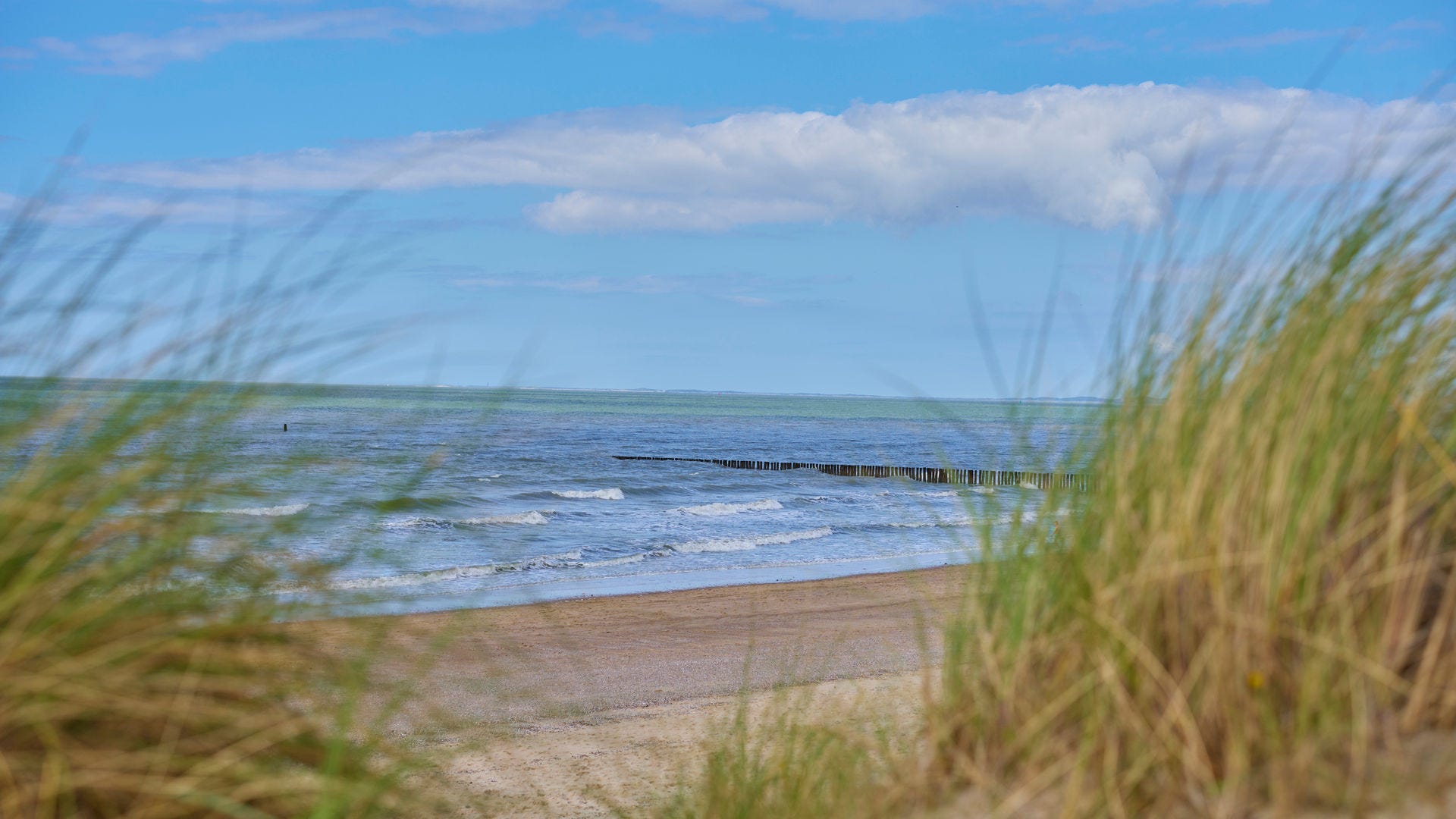
South Africa’s climate varies dramatically from region to region. From the humid coastal air of Durban and Cape Town to the dry, high-altitude heat of Gauteng and the Free State, choosing the right air conditioner isn’t just about cooling power – it’s about matching your aircon to your environment.
If you’re wondering “Which air conditioner is best for my province?” or “What aircon works best during South African summers and loadshedding?”, this guide breaks it down clearly.
Why Climate Matters When Choosing an Air Conditioner in South Africa
The best air conditioner for your home depends on how well it handles:
Humidity vs dry heat
Salt air corrosion vs dust and allergens
Energy efficiency due to rising electricity costs
Long-term durability in local conditions
Daikin air conditioners are engineered with these exact South African challenges in mind.
1. Best Air Conditioners for Coastal Homes: Humidity & Salt Air
Best for: Durban, Ballito, Umhlanga, Cape Town, Hermanus, Gqeberha
Coastal regions face two major challenges. The first challenge is persistently high humidity, which traps moisture in the air and makes indoor spaces feel hotter, stickier, and more uncomfortable than the actual temperature suggests. The second challenge is salt-laden air, which settles on equipment surfaces and significantly accelerates corrosion and rust on outdoor units, reducing their lifespan and performance.
The Daikin Solution for Coastal Air Conditioning
Dry Mode (Dehumidification): Daikin’s Dry Mode removes excess moisture from the air without overcooling, making it ideal for humid coastal nights. It improves comfort, sleep quality, and energy efficiency.
Anti-Corrosion Protection (Blue Fin / Gold Fin): Daikin’s Blue Fin and Gold Fin heat exchanger coatings protect outdoor units against salt air and coastal corrosion. This significantly extends the lifespan of your air conditioner compared to standard units.
For coastal homes, choosing an air conditioner with the right features is essential to ensure comfort, durability, and efficiency in harsh seaside conditions.
The best Daikin features for coastal homes include advanced anti-corrosion aircon technology, which protects outdoor units from salt-laden air and extends system lifespan; energy-efficient inverter cooling, which delivers consistent temperature control while reducing electricity consumption in humid climates; and quiet operation for bedrooms, ensuring peaceful sleep without disruptive noise. Together, these features make Daikin air conditioners an ideal choice for reliable, long-lasting performance in coastal environments.
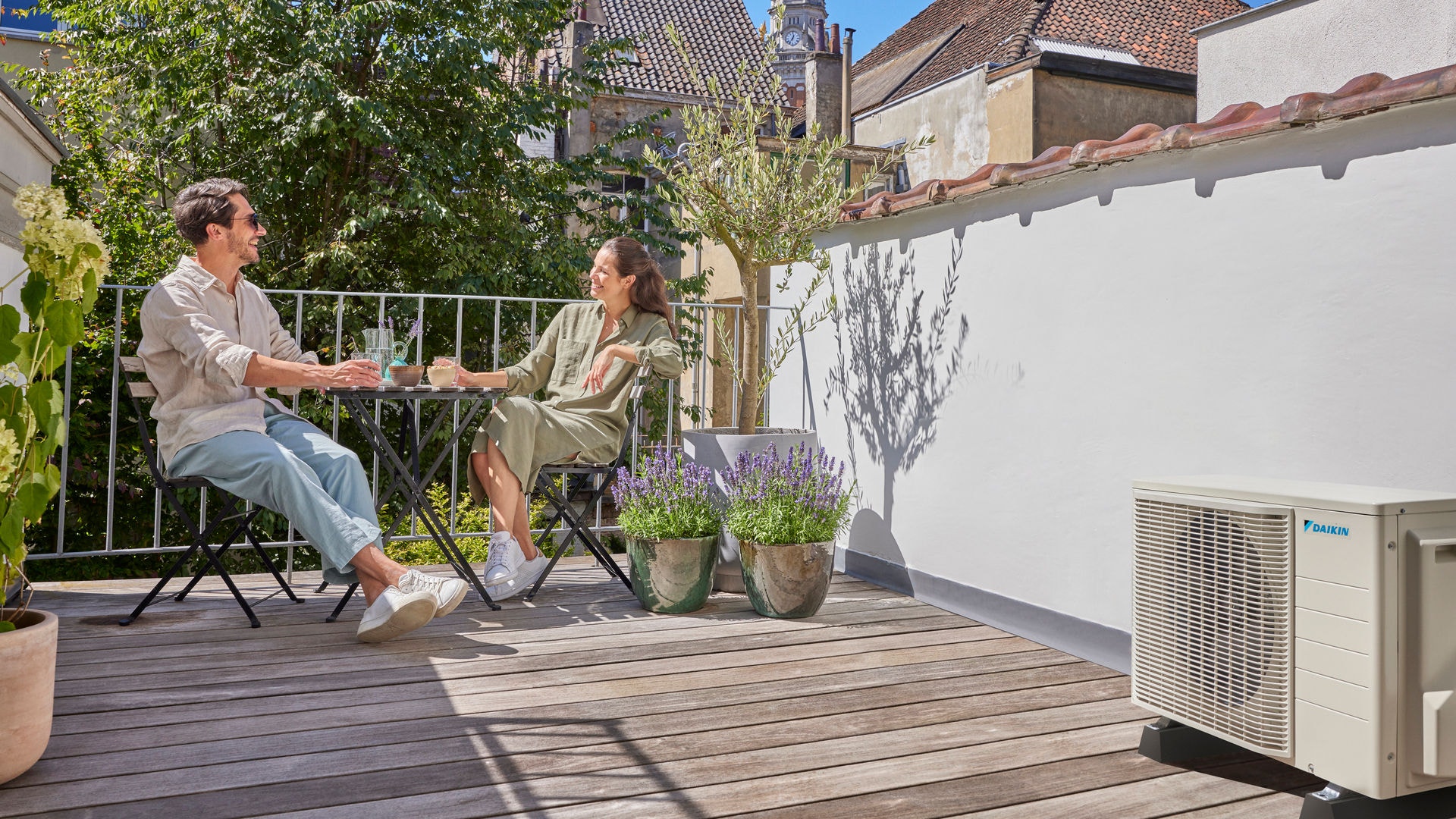
2. Best Air Conditioners for Inland Areas: Dry Heat & Dust
Best for: Johannesburg, Pretoria, Centurion, Bloemfontein, Polokwane
Inland regions experience a different set of climate challenges, including extreme dry heat during heatwaves, which can rapidly raise indoor temperatures and strain cooling systems, as well as high dust levels and seasonal allergens that reduce air quality and affect comfort.
Daikin aircon solutions for inland cooling address these conditions with powerful and reliable performance designed to handle intense heat, advanced filtration systems that help reduce dust and airborne allergens, and efficient operation that maintains consistent comfort even during prolonged hot periods.
The Daikin Solution for Inland Cooling
Powerful Mode for Fast Cooling: Daikin’s Powerful Mode delivers maximum airflow for rapid temperature reduction, which is perfect for cooling your home after a long, hot Highveld day.
Flash Streamer Air Purification: Dry inland air carries more dust, pollen, and allergens. Our Flash Streamer technology breaks down allergens, reduces odours, and improves indoor air quality – ideal for families with allergies or asthma.
For inland homes, selecting an air conditioning system designed to cope with harsh, dry conditions is key to maintaining year-round comfort.
The best Daikin features for inland homes include high-capacity inverter air conditioners that deliver strong, efficient cooling even during extreme heat, advanced filtration systems that help remove dust and pollen to improve indoor air quality, and fast cooling performance during heatwaves to quickly bring indoor temperatures down to comfortable levels when they’re needed most.
3. Energy Efficiency & Loadshedding: A Non-Negotiable Across SA
No matter where you live, energy efficiency is critical in South Africa, where rising electricity costs, frequent load shedding, and increasing demand on the power grid make efficient appliances essential. Choosing energy-efficient solutions helps reduce monthly energy bills, ensures better performance during power constraints, and supports more reliable, sustainable comfort in everyday living.
Why Inverter Air Conditioners Are Best for Loadshedding
Daikin Inverter Technology adjusts cooling output gradually instead of switching on and off repeatedly, allowing the system to run more efficiently and smoothly. By matching cooling output to the actual room demand, the air conditioner avoids energy-wasting power spikes and unnecessary cycling, which helps extend system lifespan while improving everyday comfort.
This intelligent operation results in up to 30% lower electricity consumption and significantly lower startup current, making Daikin inverter air conditioners ideal for homes using solar systems, home inverters, or battery backup during load shedding. In addition, inverter technology maintains more stable indoor temperatures, preventing the hot-and-cold fluctuations common with conventional units. If you’re searching for a low-power consumption aircon for load shedding, inverter technology is essential.

4. Air Conditioner Maintenance Tips by Province
Proper air conditioner maintenance is essential for reliable performance and long-term efficiency across South Africa’s varied climates. Whether you live along the coast or inland, following region-specific aircon maintenance tips helps improve cooling performance, reduce power consumption, and extend the lifespan of your system.
Coastal Air Conditioner Maintenance Tips
In coastal areas, salt-laden air can accelerate corrosion on outdoor units, making regular care especially important. Rinse the outdoor unit with fresh water every 2–3 months to remove salt buildup and reduce the risk of rust. In addition, schedule annual professional air conditioner servicing to inspect protective coatings, electrical components, and coils, helping prevent long-term corrosion damage and costly repairs.
Inland Air Conditioner Maintenance Tips
In inland regions, dry conditions, dust, and seasonal allergens can affect airflow and efficiency. Clean indoor air filters monthly to maintain strong airflow, improve indoor air quality, and reduce strain on the system. It’s also important to keep the outdoor unit clear of dust, leaves, and debris to ensure proper ventilation and consistent cooling, especially during peak summer heat.
By following these air conditioner maintenance tips by province, homeowners can enjoy better energy efficiency, lower electricity bills, and dependable cooling performance throughout the year.
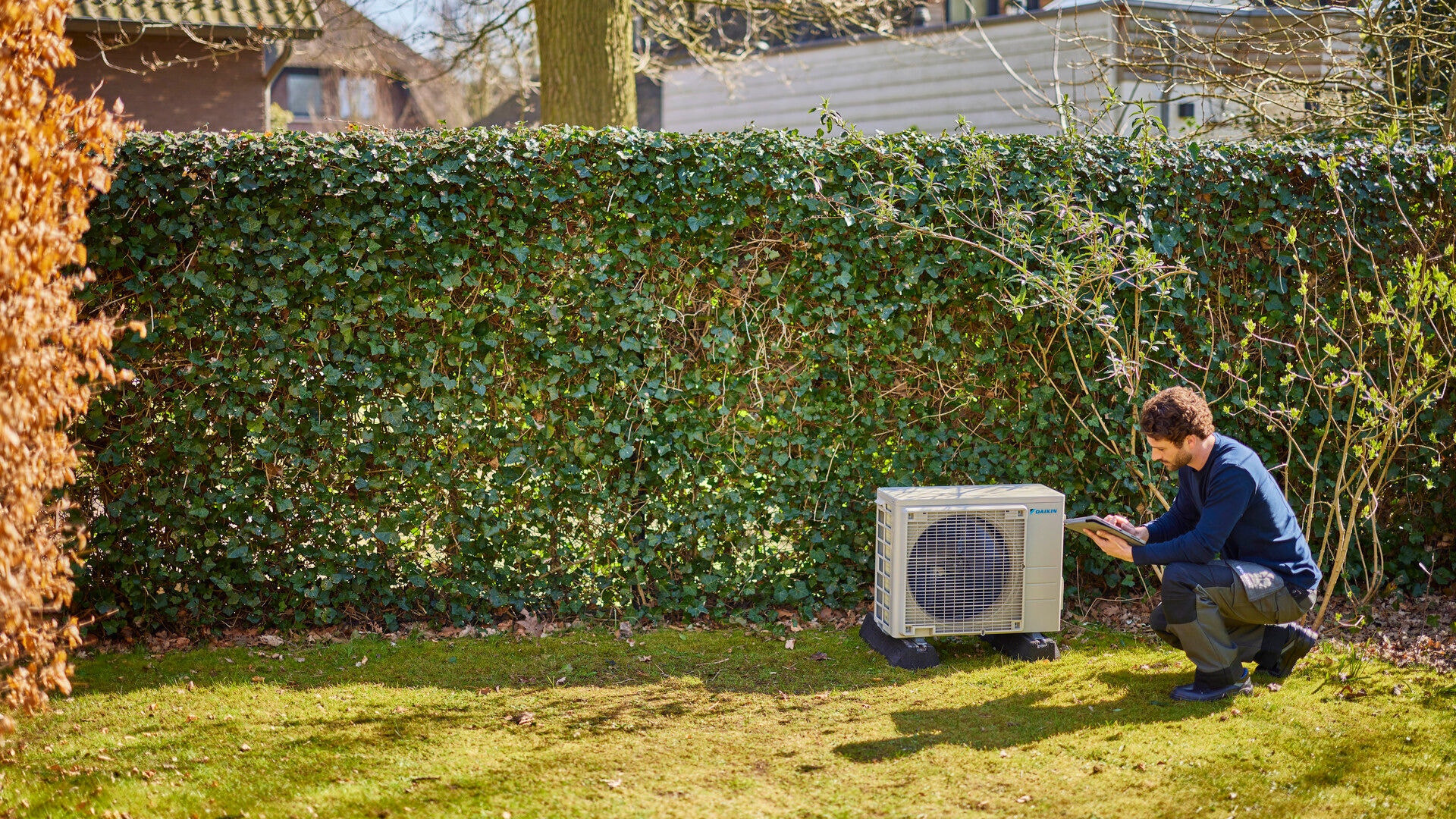
Fire Safety and Preventive Maintenance (All Regions)
Should I service my Air Conditioner if there have been fires?
Air conditioning systems should be inspected and serviced after nearby fires, as smoke, ash, and soot can significantly affect performance and indoor air quality. These fine particles can clog filters, coat coils, and circulate harmful contaminants throughout indoor spaces if left unaddressed. Prompt maintenance helps protect occupant health, prevents long-term system damage, and restores safe, efficient operation.
The most immediate priorities following fire or smoke exposure include replacing air filters, checking outdoor units for ash buildup, and arranging professional servicing to remove contaminants that are not visible. Our key recommendations include:
Replace air filters immediately: Smoke and ash rapidly saturate filters, restricting airflow and allowing pollutants to circulate indoors. Filters should be replaced even if they were changed recently.
Inspect and clean outdoor units: Ash and soot can settle on condenser coils and fan blades, reducing heat transfer efficiency and increasing the risk of overheating. Cleaning these components helps maintain reliable performance.
Schedule professional servicing: Qualified HVAC technicians can deep-clean coils, blower components, and ductwork, removing fine smoke particles that standard DIY cleaning cannot reach.
Seal and inspect ductwork: Smoke often enters buildings through leaks in duct systems. Sealing and repairing ducts helps prevent ongoing contamination and improves overall air quality.
Upgrade to higher-efficiency filtration: During fire season, higher-efficiency filters such as MERV 13 or HEPA-rated options are recommended to capture finer smoke particles and improve indoor air quality.
Use recirculation mode during smoke events: When outdoor air quality is compromised, running the system on recirculation mode helps minimise the intake of polluted air.
Check indoor air quality components: If the system includes HRV/ERV units or air purifiers, ensure these are serviced, and all associated filters are replaced to maintain effective air cleaning.
Why Choose Daikin Air Conditioners in South Africa?
Daikin has over 100 years of global innovation and a strong local presence, making it a trusted choice for homeowners and businesses across South Africa. Designed and engineered to perform in South African conditions, Daikin air conditioners deliver reliable comfort, efficiency, and durability, even in the country’s diverse climates.
Key Benefits of Daikin Air Conditioners:
Industry-leading energy efficiency – Reduce electricity bills while maintaining consistent indoor comfort.
Ultra-quiet operation – Enjoy peaceful living and uninterrupted sleep, even when the aircon is running at full capacity.
Advanced air purification – Remove dust, pollen, and allergens for cleaner, healthier indoor air.
Long-lasting durability – Built to withstand harsh conditions, including coastal salt air and inland dust.
Nationwide network of Daikin Authorised Dealers – Access professional installation, servicing, and support wherever you are in South Africa.
Choosing Daikin means investing in comfort, reliability, and future-ready cooling solutions designed to meet the unique demands of South African homes and businesses.

Our Final Thoughts: Choose an Aircon That Matches Your Climate
Choosing the right air conditioner isn’t just about size or price – it’s about understanding your environment and selecting a system designed to perform in your specific climate.
For coastal homes, it’s essential to prioritise humidity control and corrosion-resistant features that protect outdoor units from salt-laden air. For inland homes, focus on fast cooling performance and advanced air purification to handle extreme heat, dust, and seasonal allergens. No matter where you are in South Africa, our smart inverter technology is a must for energy efficiency, stable indoor temperatures, and compatibility with solar systems or battery backups during load shedding.
Ready to upgrade your summer comfort? Find a Daikin Dealer near you for a professional site assessment and a personalised quote tailored to your home and climate.
Frequently Asked Questions (FAQs)
1. What is the best air conditioner for coastal homes in South Africa?
The best aircon for coastal regions is one with anti-corrosion protection, such as Daikin units featuring Blue Fin or Gold Fin technology, designed to withstand salt air and humidity.
2. Can I run a Daikin air conditioner on solar or an inverter?
Yes. Daikin inverter air conditioners have a low startup current, making them highly compatible with solar, inverter, and battery backup systems during loadshedding.
3. How do I choose the right aircon size for my room?
As a general guideline:
- 9,000 BTU: Up to 18 m² (small bedrooms/offices)
- 12,000 BTU: Up to 25 m² (large bedrooms/small lounges)
- 18,000–24,000 BTU: 40–60 m² (open-plan areas)
Room height, insulation, and window size may require a higher BTU rating.
4. Does air conditioning help with allergies?
Yes. Daikin air conditioners with Flash Streamer technology help reduce pollen, dust mites, and allergens, improving indoor air quality during summer.
5. Why is my aircon not cooling properly during a heatwave?
Common causes include:
Dirty air filters
Blocked outdoor units
Insufficient BTU capacity for the space
Regular maintenance ensures optimal performance during extreme heat.