When to replace your air conditioner: key signs and process
From warning signs to installation: everything you need to know before replacing your air conditioner

If your air conditioner is more than 10 to 15 years old, it may be time to consider a replacement. While age is a key factor, it’s not the only one. Declining performance, rising energy bills, frequent repairs or inconsistent heating and cooling can all indicate your system is no longer operating efficiently.
Upgrading to a modern heat pump allows you to benefit from improved energy efficiency, quieter operation and lower running costs, while reducing your environmental impact.
In this guide, you’ll learn when to replace your heat pump, what to expect during the process, and how to choose the right system for your home and budget.
When should you replace your Air Conditioner?
A heat pump over 10–15 years old may be losing efficiency and nearing the end of its life. Air-source units typically last 10 to 15 years, though actual longevity depends on maintenance and usage.
Key signs your air conditioner needs replacing
There are several common signs that your system may be aging:
- Unusual noises or reduced heating output
- Increasing energy bills
- Frequent repairs or component failures
- Difficulty maintaining consistent temperatures
As efficiency declines, your heat pump must work harder, which can drive up operating costs. When the system’s Seasonal Coefficient of Performance (SCOP) falls behind modern standards, replacement may be more cost-effective than ongoing repairs.
Repair vs replacement: when to decide
Rising repair costs can quickly turn an older system into a financial burden. If major components need frequent servicing or replacement, expenses can add up - sometimes exceeding the cost of a new installation. Once your unit is over 10 years old, or you find it produces less heat and contributes to higher bills, it’s time to consider replacement options.
Advantages of replacing an old air conditioner
Replacing an older air conditioner (aka heat pump) offers several clear advantages, including improved comfort, lower energy bills and long-term reliability.
Modern systems are designed to deliver higher performance with less energy consumption. One of the biggest benefits is improved energy efficiency. Today’s heat pumps can achieve:
- SEER ratings of up to 5, measuring cooling efficiency over a full season
- SCOP values of up to 4, indicating heating efficiency across the heating season
Compared to systems installed more than 10 years ago, today’s models use significantly less electricity to deliver the same level of comfort. This translates into lower energy bills each month.
Modern air conditioners are also engineered for better heat distribution and quieter operation.
In addition, newer systems require less maintenance and fewer repairs. Older units often need more frequent servicing as components wear out, whereas modern air conditioners are built with more durable, integrated technology that improves reliability and reduces the likelihood of unexpected breakdowns.
Many manufacturers and installers also offer warranties and service plans, providing added peace of mind and helping you manage long-term maintenance costs more effectively.
How AC replacement works
Replacing your air conditioner is a structured, step-by-step process carried out by qualified professionals.
Step-by-step replacement process
The installation follows these key steps:
- Initial assessment: The process begins with a home survey, where an installer evaluates your existing system, infrastructure and insulation
- Selection of new unit: Based on your home's size, heat demand and existing system, the installer recommends a replacement.
- Disconnection and removal: The old heat pump is safely disconnected, removed and, where possible, responsibly recycled to minimise environmental impact.
- Installation of the new system: The new heat pump is installed and connected to your existing heat distribution system.
- System optimisation and commissioning: Technicians fine-tune the system by adjusting flow rates, checking refrigerant levels and ensuring all components are operating correctly.
- Testing and handover: After installation, the installer verifies airflow, temperature regulation and controls, and explains how to operate and maintain your new system.
The average installation time is 2-5 days for an air source heat pump, depending on system complexity.
Using existing infrastructure
If you're replacing an old air conditioner, you may not need to start from scratch. Many replacement installations can reuse existing components, which helps reduce both cost and disruption.
Preparing your home for the installation project
Preparing in advance helps ensure a smooth installation with minimal disruption to your home.
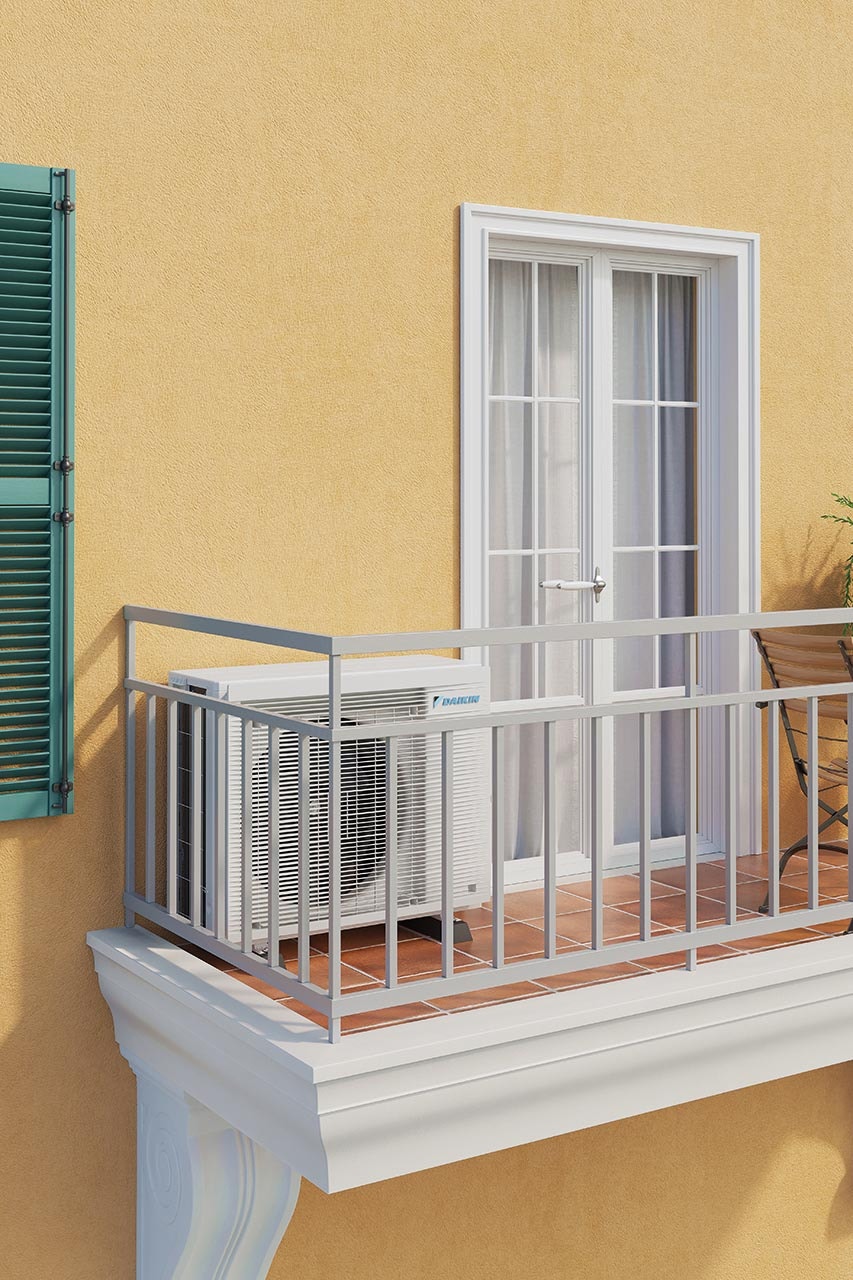
Choose a suitable location for the outdoor unit that provides adequate clearance for installation, airflow and future maintenance access. Proper placement is essential for both efficiency and ease of servicing.
During installation, power may need to be temporarily disconnected while technicians work on wiring and refrigerant piping. Because installation can take several days, it’s a good idea to plan ahead. You can set up quieter or alternative living spaces, or move furniture to clear access areas where needed.
In some cases, pre-installation work may be recommended to maximise system performance.
Choosing the right size unit
Choosing the right air conditioner is essential to long-term comfort and efficiency. Your installer will correctly size one or more units for your home’s heat or cooling demand, ensuring the output matches your needs. A unit that is too large or too small can waste energy, increase operating costs, and compromise comfort.
When comparing systems, pay close attention to efficiency ratings such as SEER for cooling efficiency and SCOP for heating efficiency. Modern units can feature SEER numbers up to 5 and SCOP number up to 4, delivering strong performance with lower energy use.
Many new models also include smart thermostats and zoning capabilities, allowing you to heat specific rooms at specific times rather than running the entire system unnecessarily.

Working with a professional AC installer
Choosing the right installer is just as important as selecting the right heat pump. A qualified professional ensures your system is correctly installed, properly integrated with your existing setup, and optimised for long-term performance. Look for an installer with proven heat pump expertise, relevant certifications, and hands-on experience working with retrofit projects and existing infrastructure.
Always request clear, fixed-price quotes that cover the full scope of work, including disconnection and removal of the old system, installation and commissioning of the new heat pump, and the responsible recycling of old equipment.
Reputable installers will often offer ongoing maintenance plans, which help extend system lifespan and maintain peak efficiency over time.
Finally, confirm installation timelines in advance and ensure the installer provides a complete system walkthrough after installation.
Post-installation testing and optimisation
After your new heat pump is installed, thorough testing is essential to ensure it operates at peak performance. Your installer will check key elements such as airflow, refrigerant levels and temperature control to confirm the system is functioning correctly.
In some cases, additional adjustments to airflow or zoning may be required, particularly in multi-zone systems to ensure consistent comfort throughout your home.
During the final walkthrough, the technician will demonstrate how to operate and control your system, explain routine maintenance tasks, and highlight any smart features, such as Wi-Fi thermostats or energy monitoring tools, that help you track performance and improve efficiency over time.
Costs, incentives, and long-term savings
Understanding the financial aspects helps you make an informed decision when replacing your heat pump. Total costs will vary depending on your system and property, but because many existing components can often be reused, replacement is typically more affordable than a completely new installation.
When combined with lower energy bills, reduced repair costs and manufacturer warranties, investing in a modern heat pump becomes a cost-effective, long-term solution. Over time, these savings can help offset the initial investment while improving comfort and efficiency.
Maintenance after replacing a heat pump
Regular maintenance is essential to extend the lifespan of your heat pump and keep it operating at peak performance. Scheduling an annual service—ideally before the coldest months—helps identify potential issues early and ensures your system runs efficiently. Many warranties also require a yearly check, which can help you avoid unexpected repair costs.
Routine upkeep includes cleaning or replacing filters, inspecting coils, and keeping the outdoor unit free of debris to maintain proper airflow and efficiency. During a professional service, technicians will check refrigerant levels, system controls and thermostats to ensure everything is functioning correctly.
If your system includes smart monitoring features, use them to track performance and detect any efficiency issues early. This allows you to take action quickly and maintain consistent comfort while keeping energy use under control.
Key takeaways
Replacing your heat pump is a smart investment in comfort, energy efficiency and long-term reliability. Modern systems are designed to reduce energy consumption, minimise unexpected issues and deliver consistent performance year after year. If your current unit is aging, driving up energy bills or no longer providing adequate heating or cooling, it may be time to act. By working with an accredited installer and exploring available incentives, you can ensure your home benefits from a future-ready, efficient heating solution.
- Continuing to repair an old, inefficient heat pump can become more expensive than replacing it, particularly for systems over 10–15 years old
- Modern heat pumps offer higher SEER and SCOP ratings, reducing electricity usage while improving comfort compared to older models
- Replacement systems can often integrate with existing infrastructure, helping to reduce costs and installation time
- Regular annual servicing, including filter cleaning and performance checks, ensures system longevity, efficiency and peace of mind
Take the next step towards a more efficient and reliable climate control system.