Back-to-Back Air Conditioner Installation:
What it means, and how it works?

Buying an air conditioner is an investment in year-round comfort. But choosing the right system is only the beginning. Professional installation is equally important for reliable performance, energy efficiency and long-term peace of mind.
What Is a Back-to-Back Installation?
A back-to-back installation is a straightforward method of installing a split air conditioning system.
The indoor unit is mounted on an interior wall, while the outdoor unit is positioned on the opposite side of the same external wall. This allows the units to be connected through a relatively short section of piping and electrical connections, minimising unnecessary pipework and disruption.
When you are quoted on a back-to-back installation, this means that the indoor unit is mounted within 3 meters of the outdoor unit.
A back-to-back installation generally includes the following:
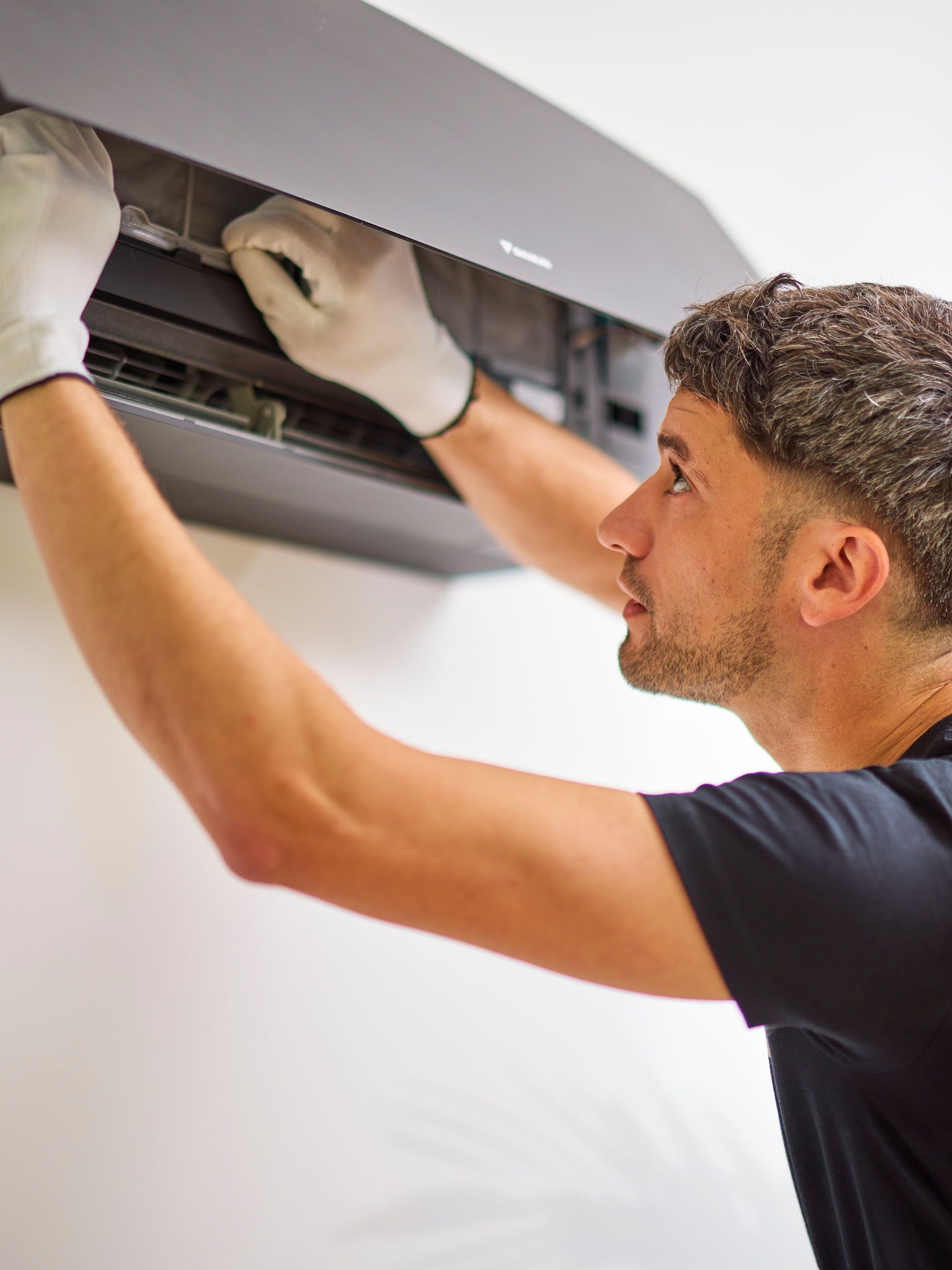
Mounting of indoor unit: Installing the indoor air-conditioning unit securely on the interior wall.
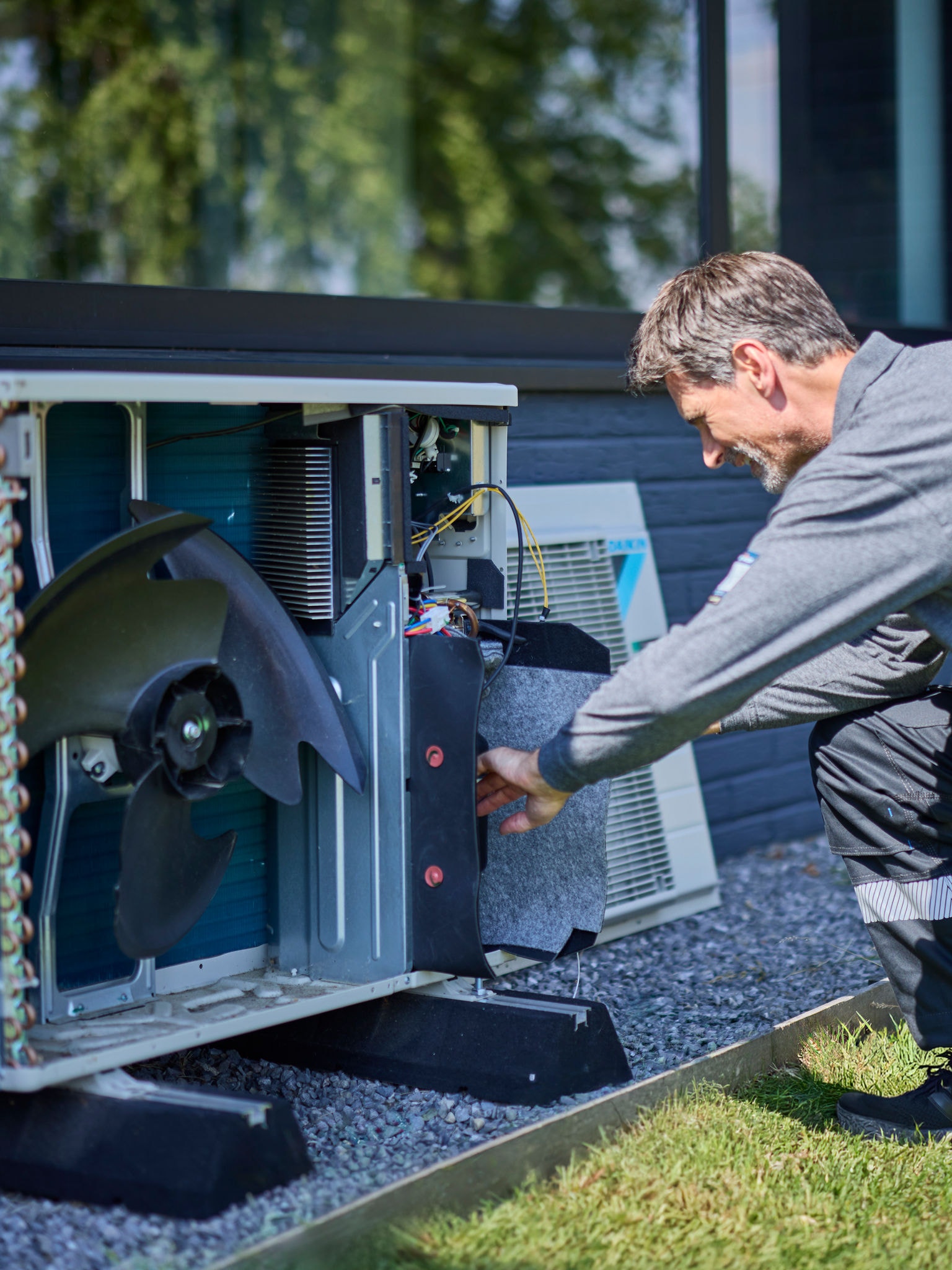
Mounting of outdoor unit: Installing the outdoor condenser unit on the opposite side of the wall, using suitable mounting brackets or a concrete base.
Copper piping: Supplying and installing insulated copper refrigerant pipes to connect the indoor and outdoor units.
Electrical connections: Connecting the units using the required electrical cabling and isolator, where specified.
Drainage pipe: Installing a condensate drain pipe to allow water from the indoor unit to drain outside.
Wall drilling: Drilling a suitable opening through the wall for the refrigerant pipes, drainage and electrical connections.
Pipe insulation and trunking: Insulating and securing the piping, with basic trunking or covering where required.
Vacuuming and commissioning: Vacuuming the refrigerant lines, checking for leaks, testing the system and confirming that the unit cools correctly.
Installation labour: Labour required to mount, connect, test and commission the air conditioner.
What is generally excluded from a back-to-back installation?
Additional copper piping beyond the standard allowance.
Extra electrical wiring or new electrical circuits.
Electrical distribution board upgrades.
Concrete bases or specialised outdoor unit mounting structures.
Wall repairs, plastering and painting after installation.
Long-distance piping or installations requiring additional access equipment.
Crane hire or specialised lifting equipment.
How does a portable air conditioner compare to a split air conditioner?
In contrast, a portable air conditioner is a standalone unit that can be moved from one room to another and usually requires an exhaust hose to release hot air through a window or wall opening. Although portable air conditioners offer flexibility and do not require permanent installation, they are generally noisier, less energy-efficient, and less effective at cooling larger spaces compared to back-to-back split air conditioners.
Why Manufacturer Standards Matter
Every Daikin air conditioner is designed for efficient, dependable performance. However, correct installation is essential to achieving this.
Professional installers follow manufacturer guidelines for unit positioning, refrigerant connections, drainage, electrical safety and system testing.
These requirements support optimal energy efficiency, help prevent performance problems and contribute to long-term reliability.
Correct installation is also important for manufacturer warranty protection. Daikin requires its products to be installed by approved professionals in accordance with applicable installation requirements and warranty conditions.
Comfort Starts with Quality Installation
With Daikin, professional installation is part of delivering dependable comfort.
By combining a quality air conditioning system with the appropriate installation method and professional workmanship, you can enjoy efficient cooling and heating with confidence.
Daikin: Your comfort, professionally installed.